As adults who experienced emotional neglect and sometimes other forms of neglect and abuse in childhood, we oftentimes are triggered at events that others may deem as inescapable, normal or mundane. For example, asking for help can be a huge trigger for an adult who never learned any safe form of help in their world. They may have been shunned or shamed for having needed help as a child or sometimes, simply ignored.
When a child is ignored, they internalize their feelings and needs as: something is wrong with me, I’m unlovable, what can I do to be more loveable? Sometimes, tendencies to try and earn love come as second nature to us and it carries over into adulthood where we find ourselves highly sensitive to rejection and if we don’t receive the love we tried to earn, it could send us into a spiral.
When I was growing up, there were times in my younger teen years that my mother seemed more available emotionally and mainly, that was because she wasn’t dealing with my sister any longer. When my mom and I were able to start forming a bit of a bond, I told her about a few things going on with my body and after being shut down, I learned to not talk as much.
I can recall one time in a Golden Corral restaurant that we went to lunch together at. We were sitting a table in the center of the room and I was seated facing the buffet line. Halfway through our lunches, I saw what appeared to be a homeless man (by the grime and dirt on his clothes and face) walk hurriedly into the men’s restroom and after a few minutes of him being in there, I started to get worried.
Now, of course, I’m a 13 year old girl who knows nothing about homelessness and public restrooms. I knew nothing about drugs or what else he could possibly be doing. So, as I’d been raised on Batman movies and other cinema that Mother had approved of (and nothing else of the outside world), I thought what any child in my position would have thought:
He came in here to plant a bomb.
Now, I'm chuckling and hopefully you are, too but this was my first experience with a panic attack and it happened in front of my mother. Looking immediately to her for safety, I remember saying:
“Mom, we’ve got to get out of here, I have a really bad feeling, I’m wigging out,” to which she replied, “I’m not done with my lunch.”
Unable to keep eating, I sat visibly shaking and trying to stare at my hands while praying that nothing bad would happen to us. Mom didn’t say another word to me until we got into the truck after leaving to which she said:
“What the hell happened in there? I’ve never seen you act like that before.”
By separating me from the feelings I had, she minimized my insane reaction to someone simply walking into the restroom but further, she ignored a very clear warning sign that I needed help. I remember replying something to the sort of: “I don’t know” and we never spoke on the incident again. Well, not until I was a fully grown woman of 28 years old and she still hadn’t taken the time to research and find out that all I’d had was a panic attack. She seemed shocked when I'd told her.
Now, I know what you’re thinking. Any rational mother would have done research and figured out how to help their child. Remember that we all come from dysfunction and in my mother’s time of growing up, things like that were not normalized. Even when I was growing up, things like that were not normalized. Instead of facing the fact that what should have happened did not happen, I choose to focus on how grateful I am that we live in a time where I can openly share this story and my experiences.
So, back to the fact of the matter, that "bond" with my mother quickly became an unsafe connection again where I couldn’t speak about my body and I couldn’t speak about my feelings. This push-pull dynamic is what began forming my attachment style. Henceforth from this discovery, it became glaringly clear how much I had to nurture myself and validate myself in order to start healing. Here’s the thing:
In order to start healing, you have to start treating yourself the way you wished your caregiver would have treated you. Even if it feels disgusting. Especially if it feels disgusting.
My first time talking to myself nicely, I felt like I was going to vomit. And that’s a pretty common thing with us grown ups who never learned safety in authority at all. One of our biggest triggers is emotional people and unfortunately, we are all emotional beings. But deep down, we know that once we push past that “I’m going to get sick” urge, something else opens up. Whatever that is for you, I hope you know that you're the safest person to express those things to and nothing bad is going to happen. I've had full on crying sessions just because I found out, finally, that it was safe to express sadness without being shooed away or belittled. And so, I've spent days crying because I could.
I was very suprised at what all began to bubble up once I started realizing how safe of a person I had become to express my own feelings to. So, becoming the safe person that you never had isn’t a cliché or toxic positive thing. It’s simply holding space for all of your emotions and validating every single one of them, even those that were once labelled as “bad”. It’s allowing yourself to hurt without allowing yourself to ruminate. It’s keeping your worth while admitting that you are wounded, healing, on the mend.
Aren’t you angry that you never received the care you needed? You should be. It’s a normal human response and it is so valid. Maybe start with that one and begin validating your experience, see where that takes you.
For now, check out some of the common things that trigger us to have explosive feelings, to retreat or otherwise, just simply trigger us:
- Being overlooked. This can feel like a repeat pattern from childhood. I remember the final time I had to quit talking to my blood family, which was only mom because she was hiding her speaking with me from my dad. That led me to feelings of being something to hide, something she was ashamed of and completely overlooked. She wasn’t available to talk to me as I needed, which triggered me heavily to think about the past and how nothing had changed since I was a child begging for her protection, love and approval. The choice to walk away for the final time was freeing and becoming an adult orphan gave me the space to open myself to other connections that would become healthier than anything I’d experienced before.
- Feeling unseen, unheard and unwanted. Sometimes a simple “no” can trigger our minds to overthink for hours, ruminating for weeks (even months, years) on how someone could not want us, treat us right, etc. Hypersensitivity to rejection is a common symptom of ours however, this uncanny sensitivity to injustice is sometimes stronger. See, we know that we deserved to be seen, heard and wanted by the people who chose to have us. We also know that it was unfair that those people who did not need to have children chose to have us anyways and ignore our needs. Since we know that, similar situations can tip us over the edge and some of the things we’d repressed can start to come back up.
- Times where emotional expression is needed such as during conflict, dating, close friendships, etc. Our own inability to sit with our emotions makes us highly triggered by the need to express them, even sometimes if others express them openly. See below:
- Emotional people. People who are comfortable expressing all their emotions quite frankly trigger the hell out of us. Healed individuals who know how to regulate themselves and can talk about hard topics (for us) freely can make us feel put on the spotlight: as if we aren’t good enough. It can highlight the things that we aren’t able to do.
-
Having to talk to blood family or to those who invalidated, ignored and otherwise, neglected or harmed you as a child. This is one of the biggest triggers, in my opinion. The only way I was able to start working through it all was on my own after breaking contact. Sometimes, you just do what you have to do.
- People, places and things that remind you of the past – triggering places and events.On this note, moving away from my hometown was quite literally the first step in my healing journey. It was only after physically leaving where it all began and moving very far away that I was able to exhale and start purging. I know this isn't possible for everyone. But I'm hoping it helps to share my experience.
As always, here's some journaling prompts that I've replied to, as well. I hope you enjoy this weeks blog post and stay safe.
Would you ever try therapy as an addition to your own personal healing? Why or why not?
It took over a year of deep personal healing work on my own to finally say, yes. I'm welcoming therapy because I know for a fact that I cannot heal myself any further on my own. I need perspective, I need someone to listen that is unbiased. I need someone who can remain professional.
Does therapy feel like a safe outlet or like a kick in the guts to have to pay someone to listen?
It feels like both, honestly. While I feel like I should have close connections to rely on, there's a reason therapists exist. They're there to help people like me. Not friends. Friends are there for fun, companionship, connection, family. Not therapy.
How much does perspective play a role in your ability to heal and furthermore, how much do you think perspective holds you back? Try and explain.
Perspective plays an insane role. I need other people’s perspectives to help me heal, grow, learn and implement lessons. Hell, I believe that the Universe gives us signs through other humans. I believe there’s no such thing as a coincidence. May as well give the Universe some messengers and find some friends.
My own perspective can hold me back due to the deep indoctrination. Luckily, I’ve been able to dismantle a substancial amount of that but I do still catch myself with negative self talk sometimes, joking about things that are actually important to me, and using other old copes. Keeping only my perspective is the best way for me to get trapped inside of my own mind and for progress to come to a screeching halt. I need other people and that is okay.
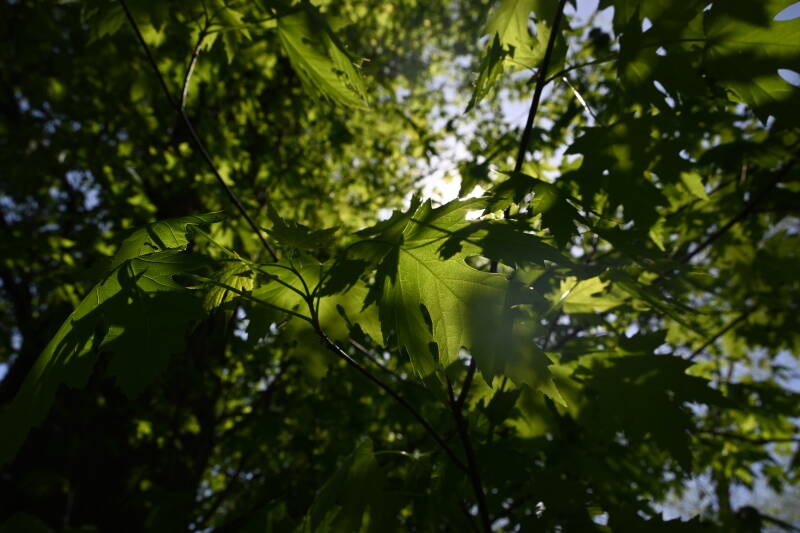
A little personal photo to calm your mind. I hope you know that not only do you need other people, other people need you. Even if you don't have any close friends, like myself (at the time of writing this), there are still people out there you haven't met yet that need you. Keep going for them. Keep going for you. You're the most important person in your life, now and always.
Add comment
Comments